
 Quality Leads That Turn Into Deals
Full-service marketing programs from TechNewsWorld deliver sales-ready leads. Segment by geography, industry, company size, job title, and more. Get Started Now.
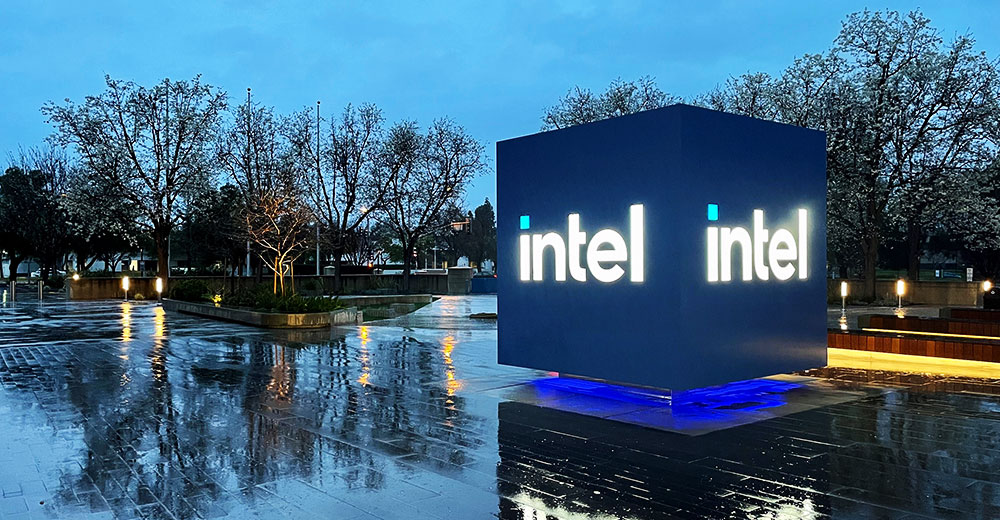
Intel announced its second-quarter 2023 financial results on July 27. After two quarters of reported losses, we now see profits, and AMD’s financials indicate that its inroads into Intel’s base may be slowing as Intel puts up more of a fight.
Intel was the clear market leader in the processor space for the entire history of the PC. As is often the case with dominant companies, its fall from that leadership position came from internal decisions made by a CEO who has since departed and a board that has been replaced.
Intel is unique in the industry not just because it was an early leader but because it retained manufacturing capabilities that allowed the business to initially weather the pandemic relatively well since it didn’t have many of the supply problems some of its fabless peers enjoyed. However, given that other parts in products Intel built were constrained, this advantage was somewhat offset by shortages in other components.
Let’s talk about Intel’s recovery this week, and we will close with my Product of the Week: Intel’s ARC GPU, the A770, which you might want to consider if you are building a showcase PC like I just completed.
Intel’s Importance
Given the current uncertainty in world politics, Intel’s current importance is less as a microprocessor company than as a microprocessor manufacturer.
Much of the world’s microprocessor capacity is in Taiwan, which is currently at risk of being attacked and destroyed by China. In a war, the ability to build advanced weaponry will be directly tied to manufacturing capacity that would be lost in the early days of the conflict, either due to destruction or blockade.
While additional manufacturing capacity exists in other parts of the world, it would not be sufficient to make up for what might be lost in Taiwan. In a large-scale war like the one with China is likely to become, moving parts internationally would be difficult. China has been aggressively buying or locking up some of these additional resources so that only domestic manufacturing capacity can provide what’s needed to execute that war successfully.

Intel’s laser focus on creating the Chips Act to build up manufacturing capacity in the U.S. would be critical to the U.S. surviving future pandemics and wars, particularly a war with China, making the company a strategic asset to the U.S. that would need to be protected.
Further, Intel does most of the work to defend x86 from competing technologies like ARM, though ARM’s recent moves make it less desirable than it once was. That technology remains a foreign threat to the dominant position of the U.S. in microprocessors. Intel also carries most of the load for building and retaining developer support for x86. Should it fail, it would be tough for the x86 platform, which remains dominant in PCs, workstations, and servers.
In short, ensuring Intel survives is critical to the U.S. and Western countries with significant investments in x86 technology. As good as AMD is, it doesn’t yet have the scope to displace Intel.
Turning a Company Around
Corporate turnarounds aren’t easy, and this is a fact well-known to Intel’s CEO Pat Gelsinger, who is now on his second major turnaround effort, having successfully revived VMware before returning to Intel. The situation with Intel, however, is far more complex. When Gelsinger took over VMware, the company was merely underperforming.
In contrast, when Gelsinger took the helm, Intel faced a more dire situation. The company’s difficulties stemmed from a series of bad decisions that preceded both Gelsinger and his immediate predecessor, Bob Swan, who had performed admirably as CEO despite his background as CFO. As a financial expert, he was unqualified to run Intel, though he guided the company as best he could.

Post a Comment